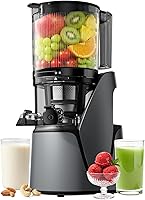
Juicer Brands Compared: Ninja, Nama, Hurom and More
The best juicer brands for these routines are Ninja for pulp control and dishwasher cleanup, Nama for recipe loading, Hurom for whole-produce batches, and Omega for extra food-prep uses. Choose the model that removes the most work from your usual recipe.
On this page (9 sections)
- What do the best juicer brands offer?
- Which juicer brand gives you more control over pulp?
- Which juicer brand fits a low-prep routine?
- Which brand suits more than juice?
- How should you compare juicer brands before buying?
- How do you set up and use a slow juicer well?
- What cleaning routine keeps a juicer ready for tomorrow?
- Which mistakes lead to the wrong juicer purchase?
- Which juicer brand should you choose?
The best juicer brands for different kitchen routines are Ninja for pulp control and dishwasher cleanup, Nama for recipe loading, Hurom for whole-produce batches, and Omega for food prep beyond juice. Choose around the work you want to reduce: feeding, cutting, washing or using several appliances.
A brand name alone won't tell you which machine belongs on your counter. This guide compares 4 specific slow juicers, with clear reasons to buy or skip each one.
If you are still deciding between juicer types, start with our cold press juicer buying guide. It explains the main design choices before you narrow down a brand.
What do the best juicer brands offer?
These models offer different ways to manage recipe loading, juice texture and cleanup. Start with the task that most often keeps you from making juice.
| Brand and model | Strongest reason to choose it | Main trade-off |
|---|---|---|
| Ninja NeverClog JC151 | Adjustable pulp and a dishwasher-friendly routine | Choose a self-feeding alternative if recipe loading comes first |
| Nama J2 Hands-Free Juicer | Loading ingredients together for less time spent feeding | Removable parts require hand washing |
| Hurom H330 Slow Juicer | Whole-produce loading and several drink options | Sorbet needs a separately sold strainer |
| Omega All-in-One Cold Press Juicer | Food-prep tools that extend its role beyond juice | Extra attachments need storage and organization |
These are model-level differences, not promises about every machine from each brand. Compare the exact model and included tools before deciding.
All 4 use slow extraction, so the biggest buying differences here concern the routine around that process. For more on the extraction method itself, see how a cold press juicer works.
How to narrow down the best juicer brands
Write down the ingredients in your most common recipe and the amount you usually make. A single glass after breakfast creates different needs from a batch shared by several people.
Next, identify your least favorite task. If cleaning stops you from using appliances, solve that first; if standing beside the feed opening is the problem, focus on hopper design.
Which juicer brand gives you more control over pulp?
Ninja is the clearest fit for buyers who want a simple choice between lighter and fuller juice textures. The NeverClog JC151 also suits kitchens where dishwasher cleanup matters more than loading a whole recipe at once.
Ninja NeverClog JC151: choose it for everyday juice texture
The Ninja uses a 150 W motor with a high-torque auger. Its Start/Stop and Reverse controls keep operation simple, and Reverse helps clear jams when produce stops moving.
The included 24 oz juice jug and 36 oz pulp container suit a routine where you collect juice and pulp separately as you work. For larger recipes, plan where you will empty each container before it fills.
The machine measures 12.11 in deep, 7.15 in wide and 15.93 in high. Check both the resting position and the room you need above it for feeding and taking parts off.
Its anti-drip lever helps contain drips when you pause to pour. Treat it as a pouring aid, and keep watching the juice container during use.
Choose this model if people in your household prefer different textures. Selecting a filter before you assemble the machine is simpler than stopping halfway through a recipe to change it.
Skip Ninja if loading ingredients together is your main goal. Nama and Hurom are the more direct choices for a self-feeding routine.
Also keep expectations realistic about pulp: a lower-pulp filter changes texture, but juice is still different from a blended drink containing the whole fruit. Our Ninja NeverClog review covers the model in more detail.
For the care steps that still matter before parts enter the dishwasher, use our juicer cleaning guide.
Which juicer brand fits a low-prep routine?
Nama and Hurom suit buyers who want to load ingredients together and spend less time feeding the machine. Self-feeding helps with that step, while produce washing, safe preparation and cleanup remain part of every batch.
Nama J2 Hands-Free Juicer: choose it for recipe loading
The Nama J2 has a self-feeding hopper designed to hold a full recipe and cut produce as it processes it. This makes sense if you want to prepare your ingredients first, then handle nearby kitchen tasks while juice collects.
It runs at 50 RPM with a 200 W motor. Included tools include a juice strainer, coarse strainer, pusher, and separate juice and pulp containers.
Choose a strainer based on the drink you want before loading ingredients. Having both options is useful when you alternate between lighter juice and a fuller texture.
The J2 measures 9 in deep, 9.8 in wide and 17.7 in high, and weighs 12.1 lb. A permanent counter spot may be more convenient than moving it from a cupboard for every batch.
Nama backs the J2 with a 15-year warranty. Check the coverage terms before buying, especially if long-term support is a major reason for choosing it.
Buy Nama if feeding ingredients one by one is the part you want to avoid. It fits a planned routine: gather ingredients, prepare the recipe, load the hopper, and stay nearby as it runs.
Skip it if hand washing is a deal-breaker. Quick-release parts make disassembly simpler, but you still need to clean the strainers and food-contact surfaces after use.
Our Nama J2 review gives a closer overview. If you are choosing within the brand, our Nama J2 vs J3 comparison covers those options.
Hurom H330 Slow Juicer: choose it for whole-produce batches
The Hurom H330 has a 2-liter self-feeding hopper intended for whole fruits and vegetables. It suits buyers who want room to load produce together, especially when making juice for more than one person.
The hopper capacity describes ingredient space, not finished juice volume. The amount collected depends on the recipe, so don't use that number to predict how many glasses a batch will fill.
The H330 also supports nut milk and smoothies. Frozen fruit sorbet requires an ice cream strainer sold separately, so include that accessory in your plans if frozen desserts are a main reason for buying.
Hurom backs this model with a 15-year warranty. Its lid safety shut-off stops the motor when the hopper opens, but you should still stop and unplug the machine before clearing or dismantling it.
Choose Hurom if whole-produce loading and several drink textures match your routine. Stay nearby so you can watch the containers and respond if ingredients stop moving.
Skip it if you mainly want one small drink and prefer dishwasher cleanup. The removable parts require hand washing, even after a short batch.
Whole-produce loading also doesn't mean every ingredient belongs in unprepared. Remove hard pits and unsuitable peels, follow the manual's guidance, and cut oversized or fibrous pieces when needed.
If greens are a regular part of your recipes, our guide to juicing leafy greens explains how ingredient preparation affects feeding.
Which brand suits more than juice?
Omega offers the broadest food-prep range among these 4 models. Choose the All-in-One if nut butter, pasta, baby food or sorbet would give it a regular role beyond making drinks.
It uses a 200 W motor and an 80 RPM triple-stage auger. The included juice cone and homogenizing cone serve different jobs, so expect to change the setup when switching from extraction to other food prep.
Its 6 nozzles include 2 breadstick nozzles and 4 pasta nozzles. A sieve, pusher, cleaning brush, and separate juice and pulp bowls are also included.
The machine measures 19.69 in deep, 7.09 in wide and 13 in high. Check counter depth carefully, then allow room for the bowls and for removing the front parts.
Omega allows sink washing or top-rack dishwasher cleaning for washable parts. Its warranty specifies 15 years for the motor and 1 year for parts, a distinction worth checking against your expectations.
Buy Omega if you can name several foods you will actually make with it. Keep the cones and nozzles together in a labeled container so switching tasks doesn't start with searching a drawer.
Skip it if juice is your only planned use and you want recipe-loading convenience. Extra attachments add little value when they stay in storage, and neither motor wattage nor the number of accessories makes that trade-off disappear.
How should you compare juicer brands before buying?
Compare your recipe, available space and cleaning habits before comparing motor numbers. These choices have a more direct effect on how comfortably the machine fits your day.
Match the machine to your usual ingredients
Make a short recipe list rather than buying for every drink you might someday try. Someone making apple and carrot juice has a different preparation routine from someone working mainly with celery and leafy greens.
Long fibers can collect around moving parts, so cut fibrous stalks into manageable lengths as directed. Alternate softer ingredients with firmer pieces when the manual recommends it, and let the machine process each addition.
Soft, low-water produce may be better suited to a blender or an approved attachment. Don't assume that anything edible will produce a useful amount of juice through a standard strainer.
Separate hopper size from batch size
A large hopper reduces loading steps, but the receiving containers still need attention. Plan batches around how much juice you will use and how often you are willing to stop and empty pulp.
For a shared household, discuss texture as well as quantity. A strainer choice matters more if one person dislikes pulp and another prefers a fuller drink.
Measure the working space
Mark out the machine's footprint with paper or tape, then add space for containers and ingredients. Check access to the outlet without stretching the cord across a sink or work area.
Cabinet clearance needs to cover use and disassembly, not just storage height. Also think about where wet parts will drain after washing.
Treat power and speed as supporting details
Watts describe electrical power, not juice yield. RPM describes rotational speed, but neither number alone proves that one machine will extract more from your usual recipe.
Focus first on the feed design, strainer choices and care routine. Our guide to choosing a juicer helps turn those features into a practical shortlist.
Cold press and masticating labels also overlap. Our cold press vs masticating juicer guide explains the terms so you can compare the machines themselves.
How do you set up and use a slow juicer well?
Prepare the machine and the produce before switching on. A clear assembly and feeding routine prevents avoidable interruptions and makes cleanup easier afterward.
- Wash removable food-contact parts before first use. Follow the manual's washing instructions, rinse well, and keep the motor base dry.
- Choose the correct strainer or cone. Assemble the parts in the stated order and secure the chamber and lid before plugging in.
- Place both receiving containers. Check that juice and pulp have clear paths into their containers, with enough room for the batch.
- Wash and prepare produce. Remove hard pits, damaged portions and peels that the manual directs you to remove.
- Feed within the machine's limits. Avoid forcing ingredients down or packing a hopper beyond its recommended fill.
- Watch the output. Stop if pulp backs up, juice stops flowing, or the motor sounds strained, then follow the manual's clearing steps.
Use only the supplied pusher where one is required. Never put fingers or kitchen utensils into the feed opening.
A reverse control can help with a jam, but repeated reversing is a sign to stop and inspect the cause safely. Unplug before taking parts apart.
For a fuller walkthrough of ingredient order and operation, see how to use a cold press juicer.
What cleaning routine keeps a juicer ready for tomorrow?
Rinse and clean the removable parts soon after juicing. Wet pulp comes away more easily than dried fibers packed into a strainer.
Turn off and unplug the machine before disassembly. Empty the pulp container, separate the washable parts, and rinse away loose material before brushing small openings.
Pay attention to strainer mesh, pulp outlets and removable seals identified in the manual. A quick rinse through an assembled machine doesn't replace cleaning these areas.
Use a soft brush and the cleaning method approved for each part. Avoid scraping mesh with sharp tools or putting parts into the dishwasher unless the instructions allow it.
Let parts dry fully before storing them. Keep the small pieces together, and choose a draining spot that doesn't block your next meal-prep task.
For fresh juice, use a clean container and refrigerate promptly if you aren't drinking it right away. Make amounts you can use soon rather than treating a large hopper as a reason to prepare several days of drinks.
Which mistakes lead to the wrong juicer purchase?
The biggest mistake is choosing features that don't solve a problem in your routine. A long accessory list or a familiar brand can distract from the work you will repeat after every glass.
- Buying for an imagined habit. Start with the recipes and batch sizes you already want to make, rather than assuming the machine will create a new daily routine.
- Confusing less feeding with no preparation. Self-feeding still requires washed ingredients, suitable cuts and attention to the running machine.
- Ignoring the sink and drying area. A machine can fit on the counter while its separated parts overwhelm your available cleanup space.
- Expecting a strainer to make every recipe identical. Ingredient ripeness, water content and preparation all affect the drink's texture.
- Choosing extras without checking the setup. Sorbet, pasta and nut butter use different tools or methods; check what is included and what needs a separate accessory.
- Making oversized batches to avoid washing. Containers can fill before a hopper empties, and unused juice creates waste rather than convenience.
Which juicer brand should you choose?
Choose among the best juicer brands by solving the task most likely to stop you from using the machine. The right choice should make your regular recipe easier from preparation through cleanup.
Pick Ninja if texture choices and dishwasher care come first. Pick Nama if you want to load a recipe together and are comfortable washing the parts by hand.
Choose Hurom if whole-produce batch loading and several drink options fit your kitchen. Choose Omega if its broader food-prep tools will earn regular use.
Before ordering, walk through one complete recipe on paper: where ingredients go, where containers sit, and where parts will be washed and dried. Then use our best cold press juicers guide to compare more models against that routine.
Frequently asked questions
Which juicer brand is easiest to clean?
Ninja is the clearest choice here if you want dishwasher cleanup because its juice-contact parts are dishwasher safe. Nama and Hurom require hand washing, while Omega permits top-rack cleaning for washable parts.
Rinse strainers promptly with any model so pulp does not dry in the small openings.
Are Nama and Hurom juicers self-feeding?
The Nama J2 and Hurom H330 both have self-feeding hoppers, so you can load ingredients together rather than feed every piece separately. You still need to wash produce, remove unsuitable pits or peels, and follow loading instructions.
Self-feeding reduces time spent feeding the machine; it does not remove all preparation.
What should I compare before choosing a juicer brand?
Start with your usual recipe, preferred cleaning method, and available counter space. Then compare feeding style, pulp options, and included attachments on the exact model.
A machine that fits your everyday ingredients and cleanup habits is a better choice than one selected mainly for motor power or brand name.
Does Omega make more than juicers?
The Omega All-in-One model compared here supports nut butter, nut milk, baby food, pasta and sorbet alongside juice. Its homogenizing cone and nozzles serve different food-prep jobs.
Choose it if those uses belong in your regular cooking routine, and allow storage space for the attachments between uses.