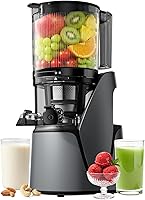
How to Choose a Juicer: Chute, Auger, Pulp, Cleaning
To buy a juicer that fits your routine, compare the chute, auger, pulp options and cleanup first. Then check its size, batch capacity and the kinds of produce you plan to juice.
On this page (9 sections)
- How should you choose a juicer for your routine?
- What chute size should you look for?
- What should you know about the auger?
- How much pulp control do you need?
- Which juicer features make cleanup easier?
- Which juicer features fit common buying needs?
- How do you compare juicer size and batch capacity?
- What should you decide before buying a juicer?
- How to buy a juicer that suits your needs
To buy a juicer that fits your routine, compare the chute, auger, pulp options and cleanup first. Then check its size, batch capacity and the produce you plan to juice.
A large chute may reduce chopping, while a slow auger can suit buyers focused on cold-pressed juice. Think about your kitchen habits, too: a juicer that is awkward to assemble or wash may get used less often.
This guide explains how to buy a juicer by matching its features to your ingredients and routine. For a broader overview of machine types, see our cold press juicer buying guide.
How should you choose a juicer for your routine?
Choose a juicer by starting with what you plan to juice most often. Then weigh prep time, pulp texture, cleanup and the space you can give the machine.
If you mostly juice apples and carrots, compare chute openings and how the juicer handles firm produce. If you make green drinks, check whether the design suits leafy ingredients and whether the maker gives preparation guidance.
Think about how much juice you make in one sitting. Container size can affect how often you need to stop and empty pulp or pour juice into another vessel.
A useful order for comparing models is:
- List your usual fruits and vegetables.
- Decide how much chopping you are willing to do.
- Choose the pulp texture you prefer.
- Check the cleaning steps and care instructions.
- Measure counter space and storage height.
- Compare the features that match those needs.
A juicer with extra functions can be helpful when you will use them. If you only want juice, features for sorbet or nut milk may not matter as much as simple assembly and cleanup.
What chute size should you look for?
Choose a chute that reduces prep for the ingredients you actually buy. A wider opening can fit larger pieces, but it does not make every fruit or vegetable suitable to feed whole.
Measure or compare the chute opening with your typical produce. Also check the juicer's instructions for removing pits, peels, stems or tough parts before juicing.
A self-feeding design can reduce the need to push each piece through by hand. Follow the loading instructions, and stop the machine before clearing a blockage.
| Your priority | What to compare |
|---|---|
| Less chopping | Chute width and whether its design handles larger pieces |
| Small produce | Whether the opening and feed path suit your usual ingredients |
| Leafy greens | Maker guidance for greens and how the feed path handles them |
| Limited counter space | Juicer width, depth, height and room above the chute |
A wide chute is most useful when it changes a step you repeat often. If you already cut produce into small pieces for another reason, the opening may be less important.
For models built around larger openings, compare our guide to juicers for whole fruits and vegetables.
What should you know about the auger?
An auger presses produce through a slow juicer and separates juice from pulp. Compare how the juicing path works, how the machine handles your ingredients and whether it includes a reverse function to help with jams.
Cold press and masticating juicers use a slow pressing process. The terms can overlap, so check the design and features of each model rather than relying on the label alone.
The auger is only one part of the system. The feed chute, chamber, filters and outlet all affect how you load ingredients and manage pulp.
If leafy greens are a regular part of your plan, read our guide on whether a cold press juicer can handle leafy greens. For a closer look at the process, see how a cold press juicer works.
How much pulp control do you need?
Choose pulp controls based on the texture you and your household prefer. Interchangeable pulp filters can offer a choice between less pulp and more pulp, while some designs use a different extraction system.
If one person likes smoother juice and another prefers a thicker drink, separate pulp filters can make that choice easier. If everyone drinks the same texture, it may be more useful to focus on cleanup or assembly.
Pulp collection also matters when comparing juicers. Look at the container's size and how easily you can remove and rinse it.
Before buying, check:
- Whether filters can be changed for different pulp levels.
- How the juicer collects pulp during a batch.
- Whether filters or screens need extra scrubbing.
- Whether the machine has a reverse function to help with jams.
Which juicer features make cleanup easier?
Look for accessible juice-contact parts, clear washing instructions and a chamber that comes apart easily. Compare dishwasher guidance, included brushes and any screens that need scrubbing.
Pulp and juice can dry onto filters and chambers if they sit after use. Rinsing parts promptly is a useful habit, even when some components are dishwasher safe.
A mesh-free design removes the need to clean a mesh screen, but check what parts still need rinsing. A brush can help reach narrow areas, especially around a filter or outlet.
Our guide to how to clean a cold press juicer covers a simple rinse-and-wash routine. If cleanup is your main concern, compare the models in best easy-to-clean juicers.
Which juicer features fit common buying needs?
The right feature set depends on the task you want to make easier. These models illustrate different trade-offs in chute size, pulp adjustment and cleanup design.
The AMZCHEF 6-Inch Self-Feeding Juicer has a 6-inch reversible wide chute with built-in cutting blades. It makes juice, nut milk and sorbet, with separate juice and sorbet filters included.
The juicing body detaches for cleaning, and a brush is included. AMZCHEF recommends hand washing and directs you to keep the lid open when assembling or removing the chute.
The Ninja NeverClog JC151 has 2 one-touch programs, Start/Stop and Reverse. Its 24 oz juice jug and 36 oz pulp container give you specific container sizes to consider when planning a batch.
This option suits buyers who want adjustable pulp texture and dishwasher-safe juice-contact parts. It measures 12.11 in deep, 7.15 in wide and 15.93 in high, so compare those dimensions with your counter and storage space.
The Aeitto 3-in-1 6-Inch Juicer is a self-feeding model for juice, nut milk and sorbet. Its mesh-free design does not use interchangeable mesh screens, and a brush is included for cleaning.
It measures 8 in deep, 8 in wide and 16.9 in high. Measure the space where you plan to use or store it, including room above the chute.
The VITAPLUS 5.8-Inch Juicer has 1 built-in strainer for juice and nut milk. Its parts are dishwasher safe, with top-rack use recommended, though VITAPLUS suggests hand washing for long-term durability.
It measures 11.6 in deep, 7.2 in wide and 18.3 in high. That height may matter under cabinets, so check clearance for loading produce and removing parts.
How do you compare juicer size and batch capacity?
Compare the machine's dimensions and container sizes with your counter and usual batch. Capacity labels do not tell you how much produce you will process before stopping to empty a container.
Measure the juicer's footprint and height, then allow room to load produce and remove parts. If you plan to store it in a cabinet, check the height with enough space to lift it in and out comfortably.
Juice and pulp containers have different roles. A larger pulp container can reduce pauses to empty it, while the juice jug needs to hold the amount you expect to serve or transfer.
If you make juice for several people, consider where you will pour and store it. A compact machine may suit a small kitchen, but a batch that requires frequent stops can make the routine slower.
What should you decide before buying a juicer?
Before buying, decide which compromise matters least to you: more prep, more cleanup, less pulp control or a larger counter footprint. That makes it easier to ignore features that do not support your routine.
Use this quick checklist:
- Choose a chute based on the produce you buy.
- Check how the auger and feed path handle your ingredients.
- Pick pulp options that match the texture you prefer.
- Review cleaning steps and dishwasher guidance.
- Measure the machine and the space above it.
- Compare container sizes with your usual batch.
- Choose extra functions only if you expect to use them.
For a cold press model, our cold press juicer guide compares the main buying considerations. If you are still deciding whether juicing fits your routine, read is a juicer worth it?.
How to buy a juicer that suits your needs
Choose the AMZCHEF 6-Inch Self-Feeding Juicer for its wide chute and cutting blades, or the Ninja NeverClog JC151 for adjustable pulp filters and dishwasher-safe juice-contact parts. These features address different steps in your juicing routine.
The Aeitto 3-in-1 6-Inch Juicer suits buyers who want a mesh-free chamber, while the VITAPLUS 5.8-Inch Juicer offers a stainless steel auger for juice and nut milk. For a model-by-model comparison before you buy a juicer, see our best cold press juicers guide.
Frequently asked questions
What should I look for when buying a juicer?
Start with the produce you plan to juice, then compare chute size, auger design, pulp options and cleanup. Check the juicer's footprint and container sizes against your counter and usual batch.
A wide chute can reduce chopping, but it does not remove the need to prep ingredients that are too large or unsuitable.
Is a wide chute better on a juicer?
A wide chute can reduce cutting for ingredients that fit through it, which may help if you juice whole or large produce often. It does not mean every fruit or vegetable can go in whole.
Compare the chute opening with your usual ingredients and the maker's preparation instructions.
What does a juicer auger do?
An auger presses and moves produce through a slow juicer to separate juice from pulp. When comparing models, look at how the auger works with the ingredients you use, whether the machine has a reverse function, and how easy it is to clear and clean the juicing path.
How do I choose a juicer that is easy to clean?
Compare the juice-contact parts, washing instructions and included cleaning tools. Check whether parts can go in the dishwasher, how the chamber comes apart and whether screens need scrubbing.
Consider how easily you can rinse everything after each session, since dried pulp can add work.
Should I buy a juicer with pulp control?
Pulp control is useful if people in your home prefer different textures or you want to change the thickness of a drink. Compare the available filters and settings.
If you always make juice the same way, extra pulp options may matter less than easy cleanup or a chute that suits your produce.