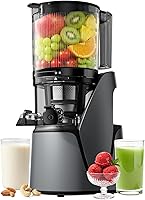
Cold Press Juicers: The Complete Buying Guide
Choose a cold press juicer around your usual ingredients and cleanup routine. Favor hopper loading for bigger recipes, pulp filters for texture choices, and a machine that fits your counter with room to load and wash its parts.
On this page (10 sections)
- What is a cold press juicer?
- Which cold press juicer features deserve your attention?
- How should your usual ingredients shape the choice?
- What size and capacity fit your kitchen?
- How much cleanup should you expect?
- Which cold press juicer fits each kind of buyer?
- How do you set up and use a cold press juicer?
- Which common mistakes should you avoid?
- What should you settle before buying?
- Which cold press juicer should you choose?
Choose a cold press juicer by your usual ingredients, batch size and cleanup habits. A machine that makes your regular recipe easier is a better fit than one with extra functions you rarely use.
For these four options, start with Ninja for pulp choices and dishwasher-safe juice-contact parts, EanOruus or Canoly for large hoppers and extra uses, and Nama for whole-recipe loading.
Then check the practical details: where it will sit, how you will feed it and where its parts will dry. For the basic mechanics, read how a cold press juicer works.
What is a cold press juicer?
A cold press juicer uses a slow-moving auger to crush produce and press it against a strainer, separating juice from much of the pulp. Home machines using this approach are also commonly called masticating juicers.
The auger draws ingredients into the pressing chamber, while separate outlets carry away juice and pulp. Feeding style varies: some machines need regular additions of produce, while self-feeding hoppers hold a recipe for processing.
“Cold press” does not mean the machine chills your drink. It also does not promise a particular nutrient content or make fresh juice safe to leave unrefrigerated.
For a closer look at the name, read what a cold press juicer means.
Cold press vs. centrifugal juicers
A centrifugal juicer uses a fast-spinning cutting basket rather than a pressing auger. Choose between the designs by considering your ingredients, feeding routine and the parts you will clean after each batch.
Do not assume every machine within either group behaves the same way. Opening size, container capacity and strainer design can matter more to your routine than the category name.
Our centrifugal vs. masticating juicer guide explains the mechanisms and the trade-offs in more detail.
A juicer makes a different drink from a blender
A juicer separates liquid from pulp, while a blender keeps the ingredients together in the drink. If you want a thick smoothie containing the whole fruit or vegetable, blending is the closer match.
Pulp filters can change juice texture, but a higher-pulp setting does not turn a juicer into a blender. Decide which drink you actually want before choosing attachments or comparing machines.
Which cold press juicer features deserve your attention?
Prioritize feeding, texture, cleanup and fit before motor numbers or extra functions. Those choices shape the work you repeat every time you make juice.
| Feature | Useful when | What to check |
|---|---|---|
| Feeding style | You want fewer repeated additions | How the hopper loads and feeds ingredients |
| Chute opening | You often cut large produce to fit | Opening size and ingredient preparation rules |
| Pulp filters | Your household wants different textures | Included filters and their intended results |
| Capacity | You make several servings together | Hopper, juice container and pulp container separately |
| Care instructions | Cleanup determines how often you juice | Which individual parts allow dishwasher use |
| Dimensions | Counter or storage space is tight | Operating space as well as assembled size |
| Extra strainers | You plan to make sorbet or nut milk | Included equipment and preparation steps |
Start with a normal week rather than an ambitious recipe plan. Write down the ingredients and number of servings you expect to make on an ordinary morning.
Then identify the task you most want to shorten. A wide opening addresses cutting, a hopper addresses repeated feeding, and dishwasher-safe parts address part of the washing routine.
Does a wide chute remove the need to cut produce?
A wide chute can reduce cutting, but fit and preparation are separate questions. Produce still needs washing, and hard pits, unsuitable peels or long fibers may need attention even when the ingredient fits through the opening.
An apple that fits does not prove that every apple will fit. Fruit sizes vary, and an opening measurement does not describe every narrow point inside the machine.
Follow the model’s instructions for citrus peel, cores, seeds and stems. Remove hard stone-fruit pits before processing, and use the supplied pusher rather than fingers or kitchen utensils.
Is hopper loading worth choosing?
Hopper loading suits people who prepare a whole recipe before switching on the machine. It can reduce repeated feeding, especially when you make several servings in one session.
That benefit is smaller if you make one short recipe and already cut everything into small pieces. Choose it for a task you repeat, rather than for the appeal of loading a large bowl once.
Stay nearby while the juicer runs. Self-feeding does not remove the need to watch the juice level, pulp container or ingredient flow.
How much pulp control do you need?
Choose adjustable pulp filtration if texture would otherwise stop you enjoying the juice. It is also useful when one person prefers a thinner drink and another wants more pulp.
A fine kitchen strainer can remove more pulp after juicing, but that adds another item to wash. Included filter choices let you make the texture decision during assembly.
Should motor power decide the purchase?
Wattage alone should not decide it. It describes electrical power, while the auger, strainer, feeding system and ingredient preparation also affect how the machine works.
Do not read a higher watt number as proof of faster juicing, drier pulp or easier cleanup. The same caution applies to choosing by auger speed alone.
Reverse functions can help clear some ingredient jams, but they do not replace proper preparation. Follow the machine’s stop-and-reverse sequence rather than repeatedly forcing produce downward.
How should your usual ingredients shape the choice?
Match the feeding routine to the produce you buy most often. A recipe built around carrots and celery creates different preparation work from one built around soft fruit.
You do not need a separate appliance for every ingredient. You do need to know which parts of your favorite recipe require cutting, peeling or a slower feed.
Carrots, beets and other firm produce
Firm roots need careful preparation even when a chute is wide. Scrub them, trim them and cut them as the machine’s instructions require.
Feed dense pieces at a pace the auger can accept. If produce stops moving, pause and follow the clearing instructions rather than pressing harder.
For frequent root-vegetable recipes, easy access to the chamber and pulp outlet matters. You will use those parts during both routine cleaning and any necessary jam clearing.
Celery and leafy greens
Long fibers can collect around internal parts, so a large opening is not a reason to feed every stalk at full length. Cut fibrous ingredients as directed and avoid pushing a dense bundle into the chamber.
Alternate leafy ingredients with firmer produce when the instructions recommend it. This gives you a feeding pattern to follow instead of adding all the leaves in one packed layer.
Our guide explains whether you can put celery in a juicer and the preparation it needs.
Soft fruit and mixed recipes
Soft ingredients can produce a thicker result, so decide whether you want juice or a smoothie before choosing a recipe. Adding very soft fruit does not always create the same clear drink as juicing crisp produce.
For mixed recipes, prepare everything first and follow the recommended loading order. Keep unfamiliar ingredients out of your first batch so you can learn the machine’s normal flow.
Frozen fruit and nuts
Use frozen fruit only with the correct attachment and the preparation method the manufacturer allows. A sorbet function is a separate use, not permission to put frozen pieces through any juice strainer.
Nut milk also requires the approved setup and recipe, including any soaking and water instructions. Keep those steps in mind when deciding whether an extra function will save you work.
What size and capacity fit your kitchen?
Choose capacity for your normal session, then measure the space needed to operate and clean the machine. A large hopper is useful only if the rest of the setup can handle the batch.
Hopper volume describes ingredient space, not finished juice yield. The amount of juice depends on the produce, and the collecting jug may need emptying before the hopper finishes.
The pulp container has its own limit. Check both outlets during a batch instead of using hopper size as the signal for when to stop.
Measure more than the assembled footprint
Measure width, depth and height, then allow room to open the lid and remove the hopper. A juicer can fit beneath a cabinet yet need to move forward for loading or disassembly.
Leave space beside it for ingredients, the juice jug and pulp container. Check that the cord reaches a suitable outlet without stretching across your preparation area.
The following dimensions help you compare placement; they do not include extra working clearance.
| Model | Depth | Width | Height | Weight |
|---|---|---|---|---|
| EanOruus 3-in-1 | 13.7 in | 7.48 in | 17.4 in | 12.1 lb |
| Ninja NeverClog JC151 | 12.11 in | 7.15 in | 15.93 in | 7.9 lb |
| Canoly C16 | 9.45 in | 6.89 in | 17.32 in | 12.6 lb |
| Nama J2 | 9 in | 9.8 in | 17.7 in | 12.1 lb |
Ninja is the shortest and lightest of these four, which matters if you lift the machine out for each use. Canoly has the narrowest body here, while Nama needs more width.
Plan for washing and drying space
Check whether the hopper and chamber can sit comfortably in your sink. Large removable parts can be awkward to rinse in a small basin even when the assembled machine fits the counter.
Choose a drying spot before buying extra attachments. Strainers, containers and lids need somewhere to drain without blocking the rest of your kitchen.
For occasional use, storage access deserves as much attention as countertop size. A machine buried behind other appliances adds work before you have washed the first ingredient.
How much cleanup should you expect?
Expect to clean every juice-contact part after each session. Dishwasher compatibility can reduce hand washing, but you still need to empty pulp, dismantle the machine and check places where fibers collect.
Ninja allows its juice-contact parts in the dishwasher. EanOruus and Nama require hand washing, while Canoly gives dishwasher-safe care instructions; use its manual to identify the approved pieces and placement.
Keep every motor base out of water. Wipe it as directed, and do not assume a dishwasher-safe care label applies to electrical components.
Give the strainer attention first
Strainer holes are where fine pulp can dry and become harder to remove. Rinse promptly and use a suitable brush gently, working over the full surface rather than only the obvious pulp patches.
Clear the pulp outlet and inspect seals or channels identified in the manual. A quick rinse of the outside can leave residue inside a narrow passage.
A detachable outlet is useful because it provides access to a place that needs cleaning. It still needs to be removed and washed according to the instructions.
Build cleanup into the session
Set aside washing time before you start juicing. If you only have time to make the drink, postpone the batch rather than leaving the machine full of pulp.
Remove residue before loading approved parts into the dishwasher, and avoid packing pieces where water cannot reach them. Let cleaned parts dry before reassembly or enclosed storage.
Our guide to cleaning a cold press juicer covers the full routine.
Which cold press juicer fits each kind of buyer?
Choose among these four by the work you want to reduce. EanOruus emphasizes large loads and extra uses, Ninja offers texture choices, Canoly combines a narrow body with multiple functions, and Nama focuses on recipe loading.
The best match does not need to win every comparison. It needs to fit the way you prepare, drink and clean up after juice.
EanOruus 3-in-1 Cold Press Juicer: for family batch preparation
Choose EanOruus if you regularly prepare several servings and want sorbet or nut milk from the same machine. Its 6.5 in chute and 100 oz hopper make it the largest opening and hopper combination among the models with those measurements provided here.
It includes juice and sorbet strainers and supports nut milk preparation. That makes sense for a household with actual plans for those foods, such as juice during the week and fruit sorbet on weekends.
The detachable pulp outlet gives you access for cleaning a residue-prone area. Its auto-reversing feature and overheat protection are useful operating features, but preparation and attention still matter.
EanOruus suits a kitchen where the machine can stay accessible and the hopper gets used regularly. Before a large batch, prepare collecting containers so you can empty juice without rushing.
Skip it if you make a small glass occasionally or need dishwasher cleaning. A large loading system offers less benefit when the main obstacle is washing parts afterward.
Ninja NeverClog JC151: for texture choices and smaller sessions
Choose Ninja if you want control over pulp and prefer dishwasher-safe juice-contact parts. The Less Pulp and Lots of Pulp filters give you a clear choice during setup.
Its 24 oz juice jug and 36 oz pulp container are useful reference points for planning a batch. Treat them as collection limits, rather than assuming every recipe will fill them at the same rate.
Start/Stop and Reverse keep the controls simple. The anti-drip lever also helps you manage the transition between juicing and moving the jug.
Ninja is a sensible choice for someone who wants a focused juice routine and may store the appliance between sessions. Its lower weight makes that task easier than with the other three machines here.
Skip it if sorbet and nut milk are central to your plan. The included equipment described here centers on juice and pulp control, so choose one of the dedicated multifunction options for those extra jobs.
The NeverClog name does not remove the need to prepare fibrous ingredients correctly. Pause if flow stops, and use the instructed clearing process.
Canoly C16 3-in-1 Juicer: for mixed uses on a narrow counter
Choose Canoly if you want juice, sorbet and nut milk functions but have limited counter width. Its narrow body gives it a placement advantage, provided you have enough height and loading clearance.
The 90 oz hopper suits recipes prepared together rather than ingredients added one piece at a time. Its detachable pulp outlet provides access during cleanup, and Canoly says the removable parts use BPA-free materials.
Canoly backs the motor with a 15-year warranty. Read the terms before buying, since a motor warranty should not be treated as coverage for every removable part.
This model fits a household that will use the extra strainers and can leave a tall appliance in a convenient spot. Plan separate preparation routines for juice, frozen fruit and nut milk rather than treating them as interchangeable tasks.
Skip it if you only want juice and expect to carry it out daily. Its narrow footprint does not make it light, and unused attachments still need storage space.
Nama J2 Hands-Free Juicer: for whole-recipe loading
Choose Nama if your priority is preparing a recipe, loading the self-feeding hopper and reducing repeated additions. Its main appeal is how it organizes the juicing session.
The J2 includes juice and pulp containers, a juice strainer, a coarse strainer and a cleaning brush. Quick-release parts support disassembly, while hand washing remains part of the routine.
Nama backs the J2 with a 15-year warranty. Review the coverage and care requirements, particularly if long-term support is part of your reason for choosing it.
This is a good fit if you already prepare full recipes and want fewer interruptions while the ingredients process. Keep the machine in view so you can monitor containers and ingredient flow.
Skip it if dishwasher use is a requirement or your counter cannot accommodate its width and lid access. Buyers focused on sorbet should also confirm the required attachment rather than assuming it comes with this set of components.
How do you set up and use a cold press juicer?
Start with a modest, familiar recipe and learn assembly before attempting a full hopper. Correctly seated parts and prepared ingredients matter more than filling every available space.
Read the manual before washing or assembling the first batch. Check for packaging inside the chamber and clean the removable food-contact parts as directed.
Assemble before preparing the whole recipe
Place the base on a stable surface, then fit the chamber, auger, strainer and lid in the required order. Select the juice filter before loading ingredients.
Make sure any seals and outlets are in their correct positions. Put both collecting containers in place and check the outlet or anti-drip control before starting.
A safety lock may prevent operation when parts are not seated correctly. If the machine will not start, switch it off and check assembly rather than trying to force the lid into position.
Prepare ingredients beside the machine
Wash produce, remove unsuitable parts and cut ingredients according to the manual. Keep prepared pieces in a bowl so you can see how much remains.
For a mixed recipe, follow the recommended loading order. Do not pack a hopper tightly just to fit the last pieces, and keep within any fill line or batch limit.
Watch the first batch closely
Check that juice and pulp leave their outlets normally. Stop before either container overflows, and follow any continuous-run limits in the manual.
If ingredients stop moving, use the approved reverse or clearing procedure. Unplug the machine before opening it or reaching into any part.
Our guide to using a cold press juicer walks through preparation, feeding and finishing a session.
Which common mistakes should you avoid?
Avoid overloading, forcing ingredients and delaying cleanup. These habits add work even when the machine has a large chute or automatic feeding.
- Buying for an imagined batch size. Choose for the servings you regularly make, rather than an occasional gathering.
- Confusing hopper space with juice output. Ingredients and finished juice occupy different volumes, and collecting containers have separate limits.
- Feeding everything whole. Opening size does not override instructions for pits, peels, stems or fibrous produce.
- Using the wrong strainer. Juice, sorbet and nut milk preparation may require different equipment or recipes.
- Pressing harder when flow stops. Pause and follow the clearing sequence instead of pushing against a blockage.
- Ignoring the pulp outlet. Fibers can remain there after the chamber looks clean.
- Leaving parts assembled and wet. Let washed pieces dry and follow the storage instructions.
- Making a large batch without containers ready. Prepare clean, covered storage before you switch on the juicer.
Fresh juice is perishable. Refrigerate it promptly in clean containers and follow food-safety guidance rather than assuming the cold press process preserves it.
If the drink seems too thick, check your ingredient balance and filter choice before blaming the motor. Soft fruit and a higher-pulp filter can change the result without indicating a fault.
What should you settle before buying?
Settle your routine and deal-breakers before comparing extras. This keeps an appealing attachment from outweighing a machine that is awkward to use every morning.
Use this short checklist:
- Name your 3 most common ingredients.
- Decide how many servings you normally make together.
- Choose between regular feeding and loading a prepared recipe.
- Decide whether pulp texture needs to be adjustable.
- Measure operating clearance and storage space.
- Choose a hand-wash or dishwasher-compatible routine.
- Count the attachments you will genuinely use.
- Read warranty coverage and care requirements.
If you cannot see yourself cleaning the machine after each use, pause the purchase. Our guide to whether a juicer is worth the cost, time and cleaning helps you weigh the whole routine.
For a broader feature checklist, see how to buy a juicer.
Which cold press juicer should you choose?
Choose Ninja for pulp choices and dishwasher-safe juice-contact parts, especially if you make smaller sessions and put the appliance away afterward. Choose EanOruus when family-sized preparation and regular use of the extra functions justify a larger loading setup.
Pick Canoly when you want those extra food uses in a narrower body. Pick Nama when whole-recipe loading is your main priority and you are comfortable hand washing its parts.
If greens dominate your recipes, use our guide to cold press juicers for leafy greens to focus on preparation and feeding needs.
Before ordering any cold press juicer, check that your chosen model passes your space and cleaning requirements. Then compare the shortlist in the best cold press juicers with your usual recipe beside you.
Frequently asked questions
What should I look for in a cold press juicer?
Start with your usual ingredients, batch size and cleaning habits. Then compare feeding style, pulp filters, container sizes and the space needed to load and dismantle the machine.
Extra functions are useful when you have recipes for them; they should not outweigh a poor fit for your daily juice routine.
Is a cold press juicer the same as a masticating juicer?
For these home machines, cold press and masticating usually describe the same basic approach: an auger crushes produce and presses it against a strainer. The names alone do not tell you how much prep or cleanup a model needs, so compare its feeding system, included parts and care instructions.
Are wide chute juicers better?
Wide chutes are useful if cutting large produce is the part of juicing you want to shorten. They do not remove the need to wash ingredients, remove unsuitable pits or follow cutting instructions.
Compare the entire machine and its loading clearance before choosing a larger opening over other features.
How do you clean a cold press juicer?
Unplug the juicer, take it apart as directed and clean juice-contact parts before pulp dries. Rinse washable pieces, brush the strainer gently and clear the pulp outlet.
Use the dishwasher only for approved parts, keep the motor base out of water and let everything dry before storage.
Can a cold press juicer handle leafy greens?
Many auger juicers can process leafy greens, but preparation and feeding still matter. Follow the model’s ingredient instructions, avoid packing leaves into a tight plug and alternate with firmer produce when directed.
Cut long, fibrous stems as instructed, and pause if ingredients stop moving through the chamber.