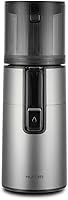
Hurom vs Nama Juicers: Which Fits Your Kitchen? (November 2026)
The Nama Cold Press Juicer (the Ninja JC151) wins this hurom vs nama juicer comparison for most kitchens, because it costs less, clogs less and fits under a cabinet. Pick a Hurom only when you want its narrower auger for small batches and a design built around slow, gentle pressing.
On this page (8 sections)
The Nama Cold Press Juicer (the Ninja JC151) wins this hurom vs nama juicer comparison for most kitchens, because it's compact, handles fibrous produce and costs less. A Hurom-style slow juicer earns its keep only when you press small batches and want the gentlest, slowest extraction.
Here's the snag: Hurom and Nama aren't the same product line. Nama sells its own cold press models, and many of them share the slow auger design Hurom is known for.
This comparison sets the two approaches against each other using the models we can quote real specs for.
The verdict up front: most buyers should start with the Ninja JC151 as the Nama-style pick. If you already have a Hurom and want to know whether switching makes sense, the sections below give you the deciding details.


Hurom vs Nama at a glance
The Ninja JC151 wins on fit and pulp control; the EanOruus 3-in-1 wins on batch size and feed chute. These two models capture the split between the compact slow juicer and the family-sized slow juicer.
The comparison table below puts the two cold press machines beside the citrus reamer, since many buyers pair a slow juicer with a citrus-only unit.
| Product | Best for | Motor | Juice jug | Pulp bin | Our score |
|---|---|---|---|---|---|
| Ninja NeverClog JC151 | most kitchens | 150 watts | 24 oz | 36 oz | 8.8 |
| EanOruus 3-in-1 Cold Press Juicer | big batches | 250 watts | 9.1 | ||
| Elite Gourmet 24 oz Electric Citrus Juicer | citrus only | 40 watts | 9.7 |
The Ninja's 150-watt high-torque motor turns a slow auger, so it presses produce instead of shredding it at speed. That's the same cold-press principle Hurom builds its brand around.
If the term is new to you, our explainer on what a cold press juicer is covers how slow pressing works.
The EanOruus 3-in-1 goes bigger. It pairs a 250-watt AC brushless motor with a 6.5-inch feed chute and a 100-ounce hopper.
That's a different buyer profile: family batches and meal prep, not one glass at a time.
The Elite Gourmet 24 oz Citrus Juicer is the outlier. Its 40-watt auto-reversing reamer handles oranges, lemons, limes and grapefruits and nothing else.
It's a smart add-on for citrus-heavy mornings, not a replacement for a cold press juicer.
One number worth noticing is the weight spread. The Ninja is 7.9 pounds, the EanOruus is 12.1 pounds and the Elite Gourmet is 1.5 pounds.
A slow juicer you can lift with one hand is a slow juicer you'll actually pull out on a weekday morning.
The safety and material details differ too. The Ninja's base and auger are built around stainless steel, and the EanOruus uses polycarbonate for its body and plastic for the auger.
The Elite Gourmet lists stainless steel as its blade material and BPA-free materials throughout, plus ETL listing.
How much counter space can you give up?
If counter room is tight, the Ninja's compact build is the reason it wins here. It measures 12.11 by 7.15 by 15.93 inches and weighs 7.9 pounds, so it sits under most upper cabinets without being moved.
The EanOruus is 13.7 by 7.48 by 17.4 inches and weighs 12.1 pounds. That extra height and weight change where it can live.
It suits a dedicated prep corner or a kitchen with open counters, not a galley kitchen.
For a rental kitchen or a small apartment, the Ninja's smaller cabinet is the practical choice. You can leave it out between juicing sessions instead of lifting it in and out of storage.
The Elite Gourmet citrus juicer is the smallest of the three at 7.28 by 5.71 by 7.68 inches and 1.5 pounds. That's why it's easy to keep on the counter as a permanent citrus station.
Plan the space around the pulp bin
Both cold press machines produce pulp continuously, so you need room beside the juicer for the pulp container. The Ninja ships with a 36-ounce pulp container, which keeps a long juicing session from stopping for a bin change.
The EanOruus uses a detachable pulp outlet. Leave clear space at that side of the unit so you can slide the bin out without moving the whole machine.
Height is the spec to check against your cabinets before you buy. A 17.4-inch machine under a 15-inch gap means the EanOruus lives in a cupboard, not on the counter, and a slow juicer in a cupboard gets used far less.
Which machine handles whole fruit and tough greens?
The Ninja's NeverClog design is built for fibrous produce; the EanOruus's 6.5-inch chute saves prep time. These are two different kinds of convenience, and the right one depends on what you juice.
The Ninja uses a high-torque auger to press through apples, carrots, celery and leafy greens without clogging. That matters if you drink green juice regularly, since leafy greens are the ingredient that jams slow juicers most often.
The 150-watt motor's spec sheet points to the same jobs: celery, kale, carrots, beets, ginger and apples.
The EanOruus accepts large whole fruits through its wide chute. Apples and oranges go in without cutting, which cuts prep time before you even start pressing.
The maker describes the chute as hands-free feeding, and the 100-ounce hopper means you can load a pile of produce and walk away.
A narrow chute is the classic trade-off on Hurom-style machines. Small-batch slow juicers feed produce piece by piece, and that prep time adds up when you juice daily.
There's a second trade-off here that the specs make plain. Wide chutes are the fast path to a full glass, while narrow chutes are the slow path to gentler pressing.
You can't have both in one machine at this size.
Two speeds, two jobs
The Ninja runs two one-touch programs: Start/Stop and Reverse. The Reverse function clears jams and helps push more juice out of a stubborn batch.
It also lists two speeds in its specs, so you can match the pace to soft fruit or dense roots.
The EanOruus instead uses a 250-watt AC brushless motor with overheat protection. Its extra torque is aimed at hard fibrous ingredients and long, heavy-duty sessions.
The brushless design is the part that matters for daily use, since it skips the wear that brushes add over time.
For everyday single glasses, the Ninja's simpler controls are easier to live with. For a family's weekly juice prep, the EanOruus's bigger motor and feed chute do more of the work for you.
Pulp, foam and the texture you actually want
The Ninja gives you explicit pulp control; the EanOruus gives you sorbet and nut milk modes. Pick by texture first, then by recipe range.
The Ninja ships with two interchangeable pulp filters. One gives less pulp for a smoother glass, the other leaves lots of pulp for a thicker, fiber-rich drink.
That's the most direct texture control in this comparison, and the maker sells it as total pulp control.
The EanOruus 3-in-1 takes a different route. Its two strainers cover juice and sorbet, and the unit also makes nut milk.
You can move from green juice to frozen fruit sorbet to almond milk without a second appliance. The included parts list runs to a pusher, cups, a brush and a pulp filter, so it arrives ready to switch jobs.
If your routine is juice only, the Ninja's pulp filters are the more useful feature. If you want to blend frozen fruit and nuts into the same machine, the EanOruus earns the space it takes.
How each handles foam and drip
The Ninja's slow auger at low speed helps keep foam down, and its anti-drip lever lets you pause mid-batch and pour without spilling. That's handy when you're filling glasses one at a time.
The lever also means you can stop between ingredients without a drip trail across the counter.
The EanOruus doesn't offer a drip lever in its feature list. Its juice, sorbet and nut milk cups are included, so you pour straight into the container you'll serve from.
Foam matters more with greens than with fruit. Kale and spinach whip up foam under a fast blade but press cleanly under a slow auger, which is why both cold press machines here are a better fit for green juice than a centrifugal model.
Cleaning, storage and daily upkeep
The Ninja wins on cleanup because its juice-contact parts are dishwasher safe. You still need to rinse the mesh strainer before pulp dries, but the rest can go in the machine.
The EanOruus is hand wash only. Its detachable pulp outlet does make cleanup quicker than machines without one, but you'll be washing parts at the sink.
The included cleaning brush helps on the strainer and auger.
The Elite Gourmet citrus juicer's removable parts are top-rack dishwasher safe. The maker recommends hand washing for the longest life, so either routine works.
Storage follows the same pattern. The Ninja's compact frame fits under cabinets and assembles easily.
The EanOruus needs more height and a clear spot for its 100-ounce hopper.
The daily routine that keeps a slow juicer usable
Cut produce first, then assemble the juicer. Start with the softer ingredients and finish with the hard ones so the auger clears itself.
Rinse the strainer immediately after each session. Dried pulp on mesh is the hardest part of cleaning any slow juicer, and soaking first softens it.
Keep the pulp bin lined if you compost. A 36-ounce bin fills faster than most people expect when juicing greens, since leafy produce yields little juice and a lot of pulp.
Citrus, greens or nut milk: which job comes first?
If citrus juice is the whole routine, the Elite Gourmet reamer is the fastest tool here. Its 40-watt auto-reversing motor and push-down reaming handle oranges, lemons, limes and grapefruits in seconds.
The 24-ounce container makes about 3 cups, enough for 2 to 3 servings. A built-in pulp and seed filter keeps seeds out and lets you dial back the pulp.
For green juice, the Ninja's auger is the better fit. It presses celery, kale, carrots and beets without clogging, and the two pulp filters let you choose how much fiber ends up in the glass.
For sorbet and nut milk, the EanOruus 3-in-1 is the only model here that covers both. Its 100-ounce hopper also suits loading a week of produce in one go.
If you're still weighing juicer types overall, our guide on the centrifugal vs masticating juicer difference explains when a fast spinning model beats a slow press.
Who should buy which?
Buy the Ninja JC151 if you want a compact cold press juicer that fits under a cabinet and handles greens. It's the easier machine to live with daily, and the two pulp filters give you texture control without extra parts.
Buy the EanOruus 3-in-1 if your household drinks juice in volume or you want sorbet and nut milk from the same unit. The 6.5-inch chute and 100-ounce hopper are built for batch prep.
It's a family machine, and the 12.1-pound weight tells you it's meant to stay put.
Buy the Elite Gourmet citrus juicer if citrus is all you squeeze. It's a fast, compact reamer for morning orange juice and nothing more.
A Hurom-style slow juicer makes most sense when gentle pressing and small batches are your priority. If you mostly juice citrus, the reamer does the job faster and with less cleanup.
For greens and mixed produce, the Ninja's slow auger covers the everyday job.
Buyers who want citrus and greens but not a full second machine should note a simple fact: no single model here does both. The reamer is citrus only by design, and the two cold press machines don't ream citrus the way a dedicated press does.
A small counter setup of a reamer plus one cold press juicer is the honest answer for mixed routines.
Our guide to juicer brands compares Ninja, Nama, Hurom and more, which helps if you're still deciding which name to trust. If a centrifugal model is also on your shortlist, the Breville vs Nama juicer comparison covers that matchup directly.
The verdict
For most kitchens, the Ninja JC151 is the pick in this hurom vs nama juicer matchup. It presses greens and fibrous produce without clogging, offers two pulp filters and stows under a cabinet.
That combination is hard to beat for daily use.
The EanOruus 3-in-1 is the better machine for big batches and anyone who wants sorbet and nut milk. Its 6.5-inch chute and 100-ounce hopper save real prep time.
The Elite Gourmet citrus juicer stays the simplest citrus tool. Pick it as a companion, not as your only juicer.
If you press small batches and want the gentlest slow-press design, a Hurom-style juicer still earns its counter space. For everyone else, the compact Ninja gives you cold press juice with the least friction.
Start there, then add a citrus reamer if your mornings run on orange juice.
Frequently asked questions
Is Nama a Hurom?
Nama sells cold press juicers, and its best-known models are built on slow-press auger designs rather than centrifugal spinning. In this comparison we use the Ninja JC151 as the Nama-style cold press pick, because that's the model we have full specs for.
Which is quieter, Hurom or Nama?
Both use a slow auger rather than a high-speed spinning basket, so either design is quieter than a centrifugal juicer. The Ninja runs a 150-watt high-torque motor at low speed, which keeps noise down compared with an 800-watt centrifugal model.
Do Hurom and Nama juicers need produce cut small?
Most slow juicers feed through a narrow chute, so apples, carrots and long greens need trimming first. The EanOruus 3-in-1 takes whole fruit through a 6.5-inch chute, which is the exception among the machines here.
Which one is easier to clean?
The Ninja's juice-contact parts are dishwasher safe, while the EanOruus and most Hurom-style units ask for hand washing. Either way, the mesh strainer takes the most scrubbing, so rinse it before pulp dries.
Can a slow juicer make nut milk?
Some can. The EanOruus 3-in-1 ships with separate juice and sorbet strainers plus nut milk capability, so you can move from green juice to almond milk without a second appliance.
The Ninja JC151 is built around juice only.